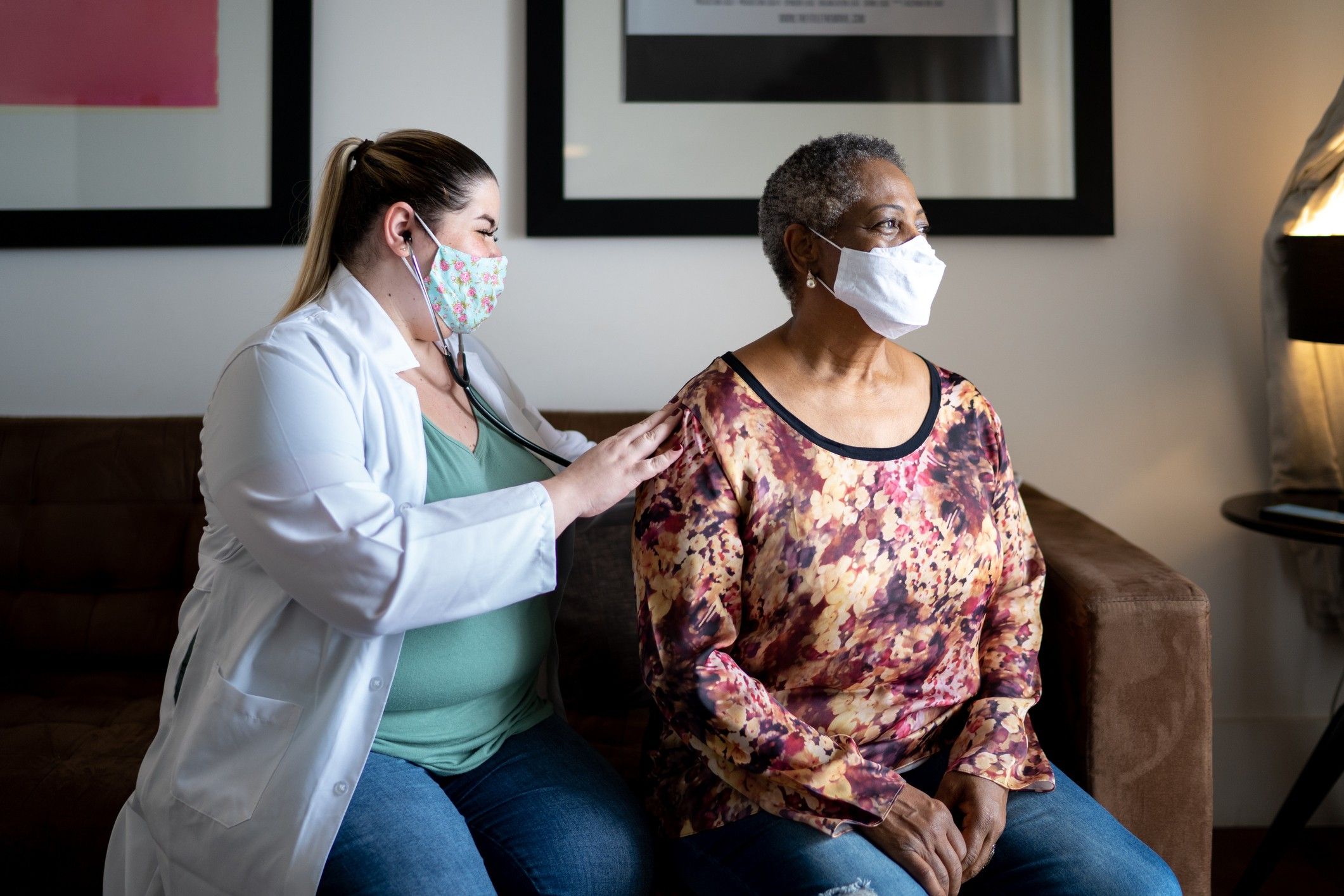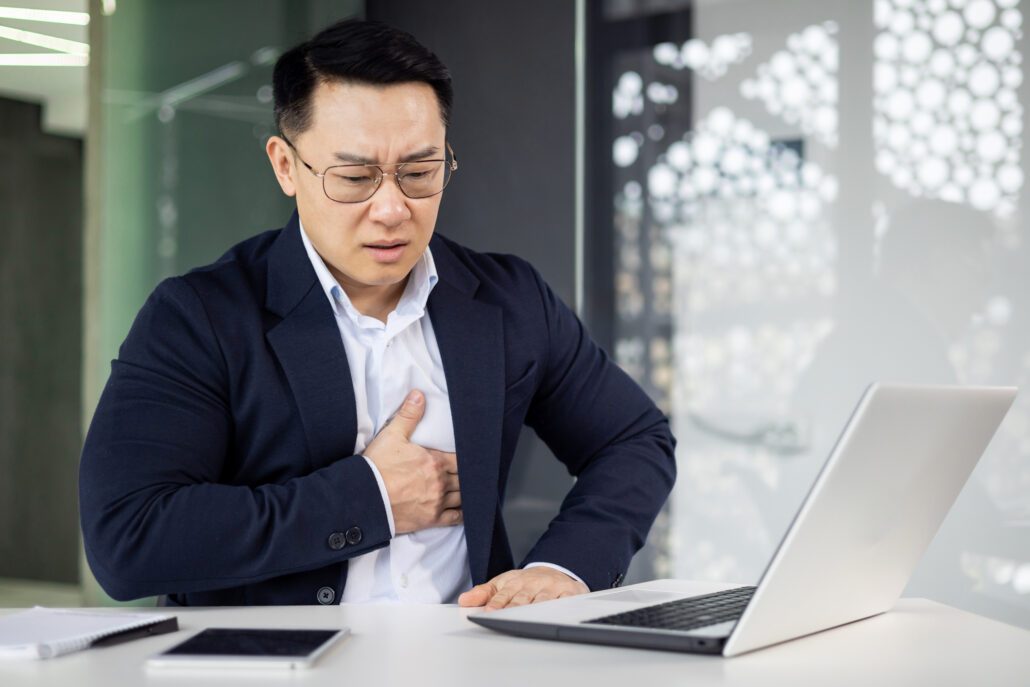

Urgent Care
Why Choose Urgent Care?
- Shorter wait times
- Lower out-of-pocket costs
- No appointment usually needed
- Appropriate for evenings, weekends, and holidays
Use Urgent Care when you need prompt medical attention, but your condition is not life-threatening.
Urgent Care is typically faster and far less expensive than the Emergency Room.

Emergent Care
Why Choose Emergent Care?
- Life-saving equipment and specialists
- Advanced imaging and surgical care
- 24/7 treatment for serious medical emergencies
For severe, sudden, or life-threatening conditions.
Using the ER for non-urgent care usually results in higher costs and possible denials.
Common Conditions Treated at Urgent Care:
- Minor cuts, scrapes, or wounds that may need stitches
- Minor burns (small blisters, first-degree burns)
- Sprains, strains, and minor sports injuries
- Possible minor fractures (X-ray available)
- Cold, flu, or COVID-like symptoms
- Sore throat, strep throat
- Ear infections or ear pain
- Sinus infections
- Mild to moderate asthma symptoms (no severe breathing distress)
- Urinary tract infections (UTIs)
- Mild dehydration
- Skin rashes, hives, insect bites, or mild allergic reactions
- Pink eye (conjunctivitis)
- Fever (without severe symptoms)
- Nausea, vomiting, or diarrhea without signs of dehydration or severe pain
- Minor eye irritation (no vision loss)
- Mild back pain or muscle pain
Go to the Emergency Room For:
- Chest pain or pressure
- Difficulty breathing, shortness of breath, or choking
- Signs of a heart attack (chest pain, arm/jaw pain, nausea, sweating)
- Signs of a stroke (face drooping, arm weakness, speech difficulty)
- Loss of consciousness or fainting
- Severe head injury or concussion
- Uncontrolled or heavy bleeding
- Deep, large, or gaping wounds
- Major trauma (car accidents, serious falls)
- Severe abdominal pain
- Persistent vomiting or diarrhea with dehydration
- High fever with stiff neck, confusion, or seizures
- Seizures or convulsions
- Severe allergic reactions (swelling of face/throat, trouble breathing)
- Poisoning or suspected overdose
- Severe burns
- Broken bones with deformity or exposed bone
- Sudden, severe pain of any kind
- Pregnancy emergencies (heavy bleeding, severe pain)
If you believe a condition is life-threatening, do not drive yourself.
Call 911 immediately.
Emergency medical responders can begin treatment on the way to the hospital. Call 911 for life-threatening emergencies, trouble breathing, chest pain, stroke symptoms, or severe injuries.